
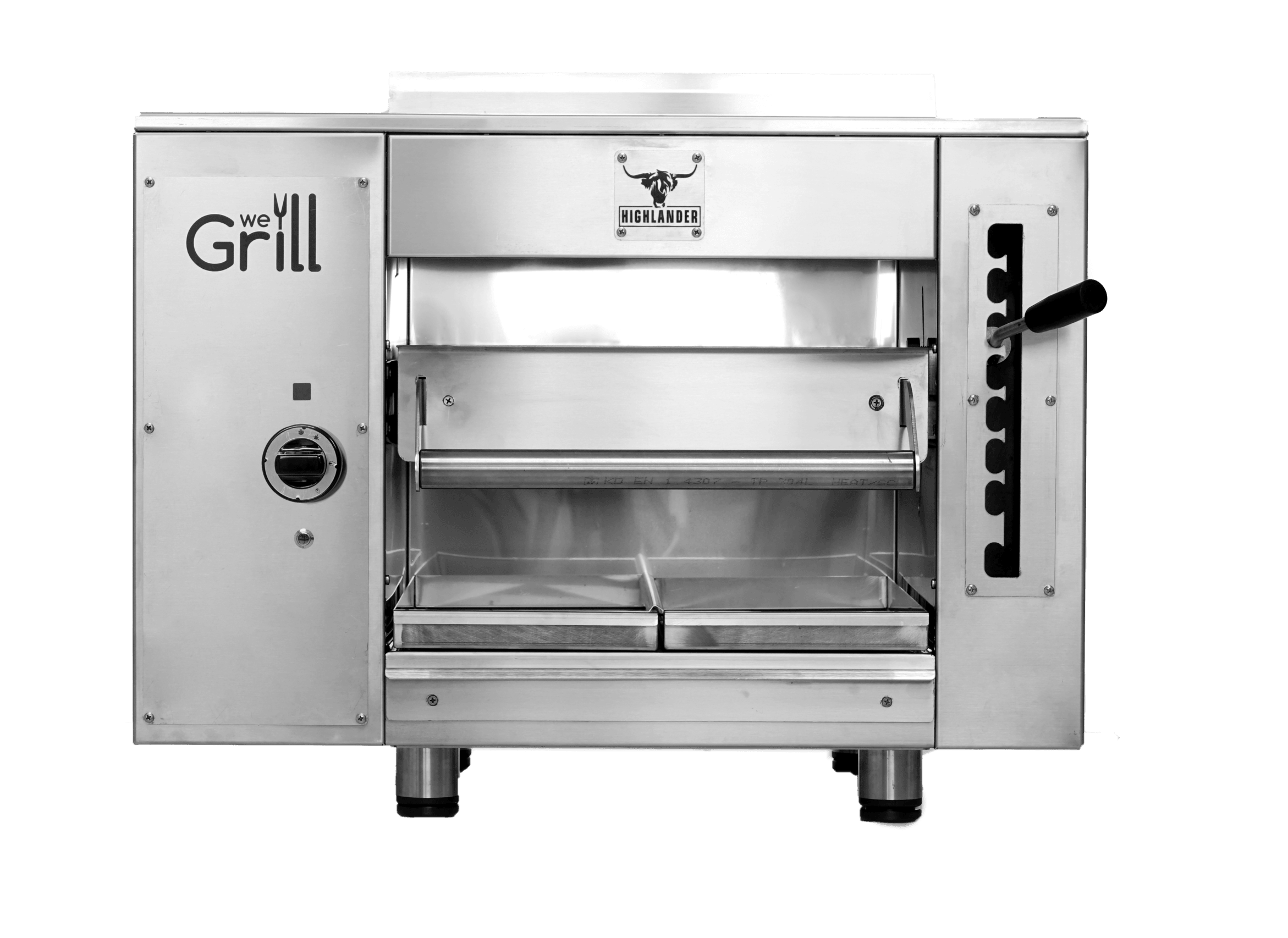
HIGHLANDER-G - Gas Overfire Broiler Highlander 1 infrared burner

Save $6,353.00
SKU: HIGHLANDER-G

Price:
Sale price$12,431.00 Regular price$18,784.00

List price Showed. We are a wholesaler. You can find our items in lots of dealers across the country. Interested? Ask for a quote now!

Resources and Downloads

| | | |Learn more

Description

Gas Overfire Highlander

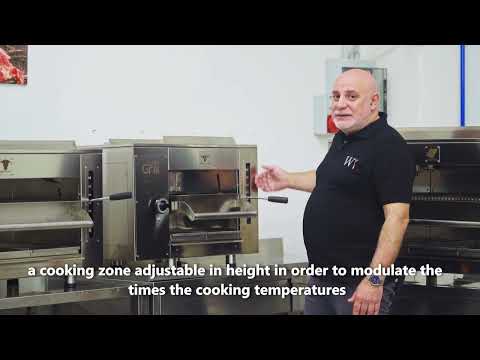
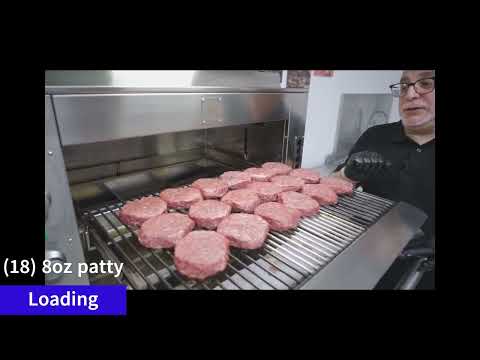
Infrared Overfire Broiler, single deck countertop, Gas, 304 stainless steel structure and exterior finish, (1) infrared burner, 850°C / 1562 °F, Cooking grid removable and height adjustable, cooking space 15.23"x14.72", grease collectors are removable, 6" legs, 6Kw, 20427 BTU/h, CE, cETLus, ETL-Sanitation, Made in Italy

Comes equipped with NG nozzles - Liquid Propane Gas nozzles are included for conversion in field.

Color version and 316 Marine grade SS version under special request.

Overfire ovens Benefits

You may also like

Recently viewed

Learning Center

View all
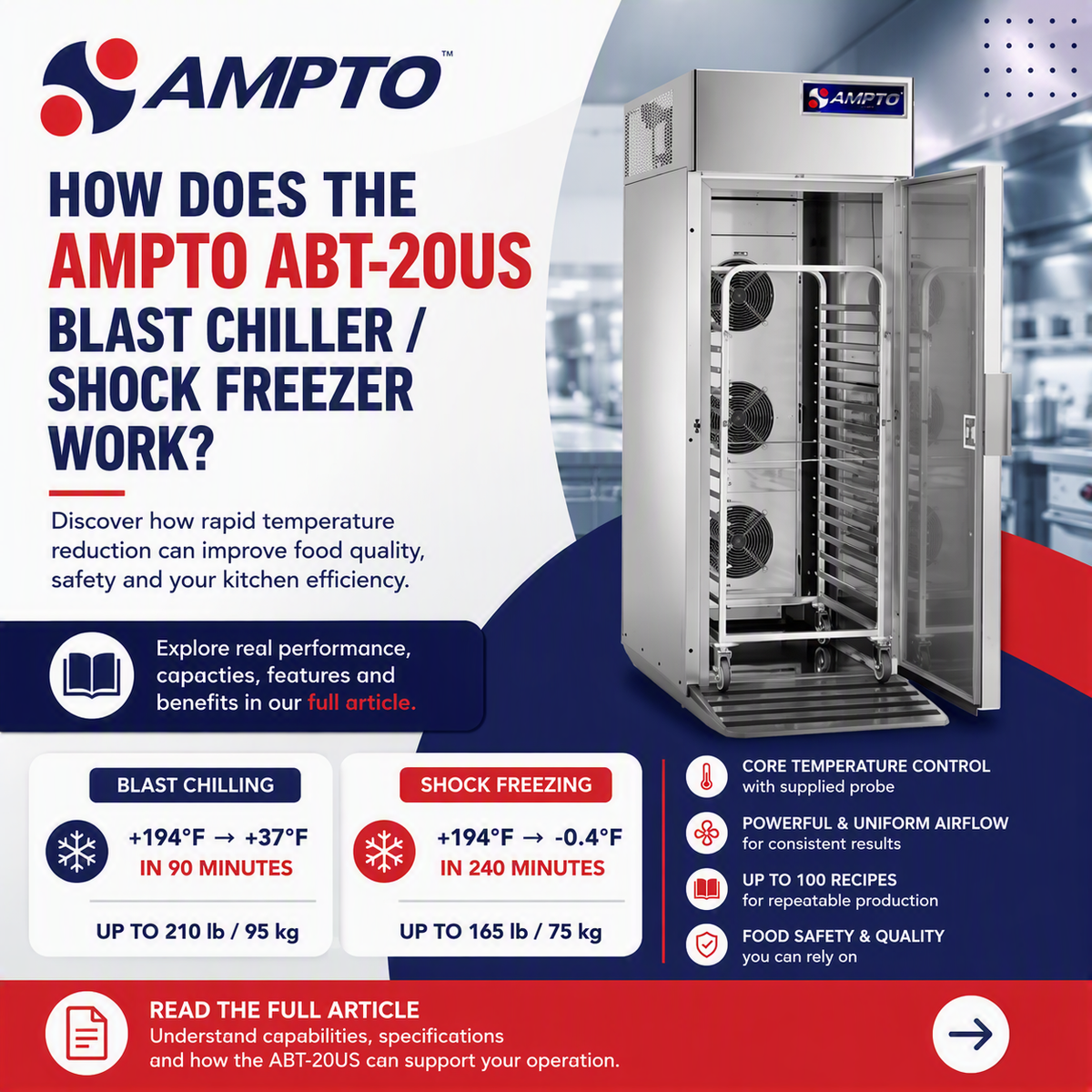
AMPTO ABT-20US: Understanding Blast Chilling, Shock Freezing and Real Production Capacity

AMPTO ABT-20US: Understanding Blast Chilling, Shock Freezing and Real Production Capacity

Blast Freezer
Rapid temperature reduction designed for professional foodservice operations In a professional kitchen, refrigeration is not simply about keeping...
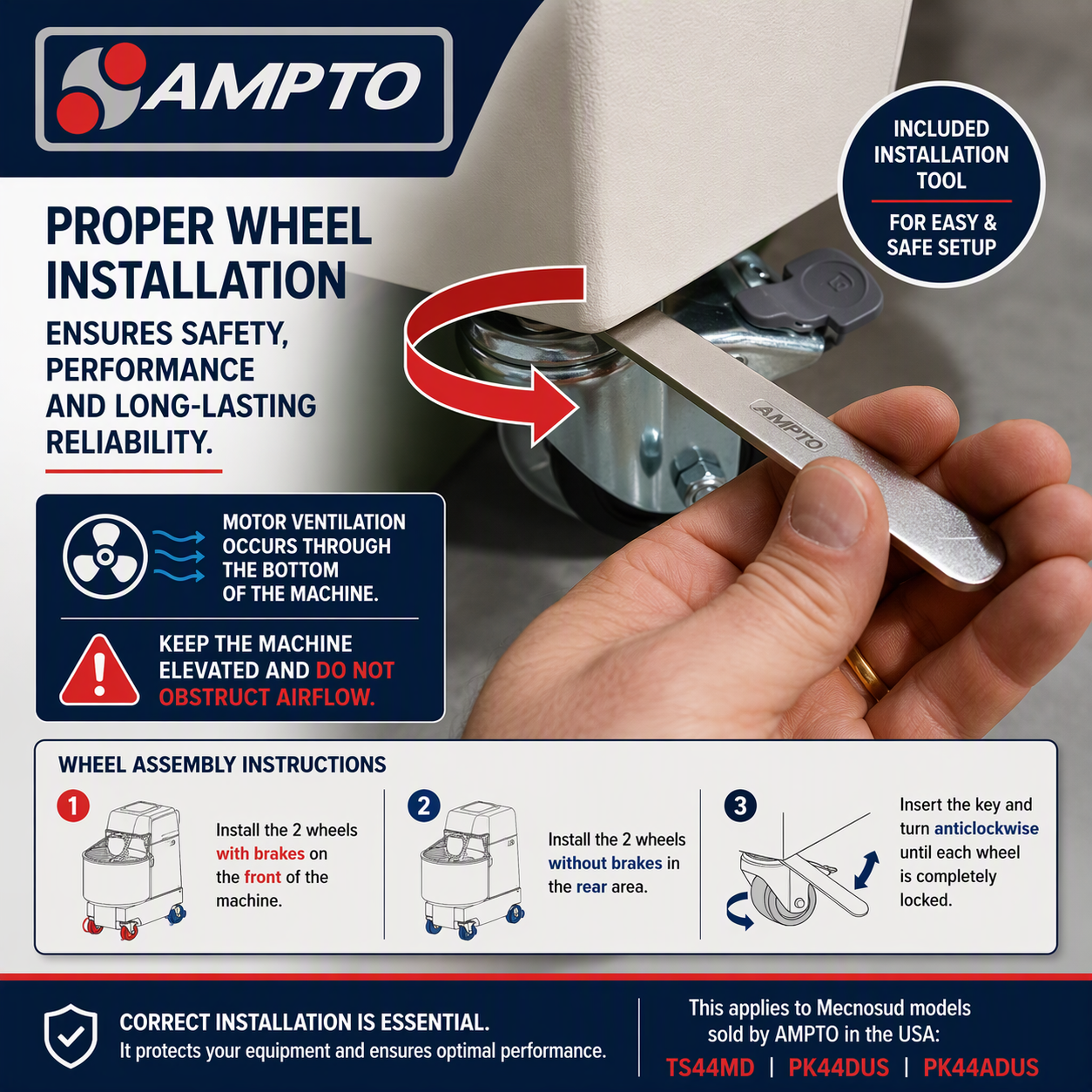
The Importance of Proper Wheel Installation on Spiral Dough Mixers

The Importance of Proper Wheel Installation on Spiral Dough Mixers

Spiral mixers
AMPTO Supports Safe and Easy Installation To simplify the installation process and ensure safe assembly, AMPTO includes a specially designed whee...
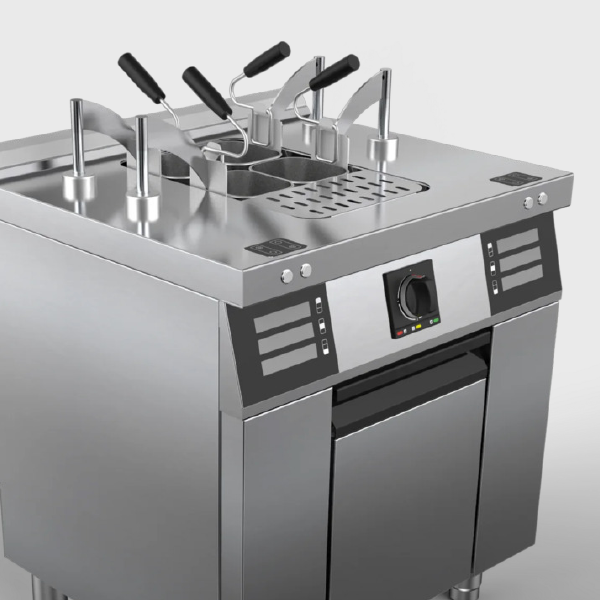
Why Descaling a Pasta Cooker Bowl Is Critical for Kitchen Efficiency and Equipment Longevity

Why Descaling a Pasta Cooker Bowl Is Critical for Kitchen Efficiency and Equipment Longevity

Pasta Cooker
Limescale buildup in a pasta cooker bowl is more than a maintenance issue—it’s a hidden threat to kitchen efficiency, equipment lifespan, and operational profitability. Regular descaling ensures optimal heat transfer, consistent cooking performance, and reduced energy consumption, while helping prevent costly downtime and unexpected failures. For restaurants that rely on speed and precision, neglecting this essential task can quickly translate into lost revenue, service disruptions, and premature equipment replacement.