You can invest in a Bezzera espresso machine, train your staff, and perfectly dial in your coffee.
But if your water is not properly treated, coffee quality declines… and your investment starts deteriorating from the inside.
At AMPTO, we see this every day:
untreated water is one of the leading causes of equipment failure, operational losses, and avoidable repair costs.
Why Water Matters More Than You Think
Water doesn’t just affect taste—it constantly flows through:
- Boilers
- Heating elements
- Brewing groups
- Valves and flow restrictors
This means that every shot directly impacts the lifespan of your machine.
When water is not properly treated, you may face:
- Scale buildup (hardness deposits)
- Internal blockages
- Corrosion of critical components
- Pressure and temperature instability
- Premature failure of heating elements and valves
And most importantly:
👉 Water-related damage is NOT covered under warranty.
The Most Common Mistake: Buying the Machine Without Planning Water Treatment
Many customers invest thousands of dollars in a Bezzera machine…
but treat the water softener as an optional add-on.
The reality is different:
👉 Water treatment is part of the equipment—not an accessory.
It is a direct protection of your investment.
The Hidden Costs No One Calculates
When a proper softening system is not installed, the long-term cost can far exceed the initial savings.
1. Technical Repairs
- Boiler descaling
- Internal cleaning and flushing
- Replacement of damaged components
👉 These services are labor-intensive, require specialized technicians, and can be expensive.
2. Downtime
When your espresso machine is down:
- You cannot serve coffee
- You lose immediate revenue
- Customer experience is affected
👉 In a coffee business, downtime directly impacts cash flow.
3. Recurring Issues
Even after cleaning:
- Scale deposits may break loose
- Internal passages can clog again
- Service calls become frequent
👉 This creates a repetitive and costly cycle.
The Smart Investment: Install a Softener from Day One
Installing a proper water softener from the start allows you to:
- Reduce water hardness
- Prevent mineral buildup
- Maintain thermal stability
- Protect critical internal components
- Extend the lifespan of your Bezzera machine
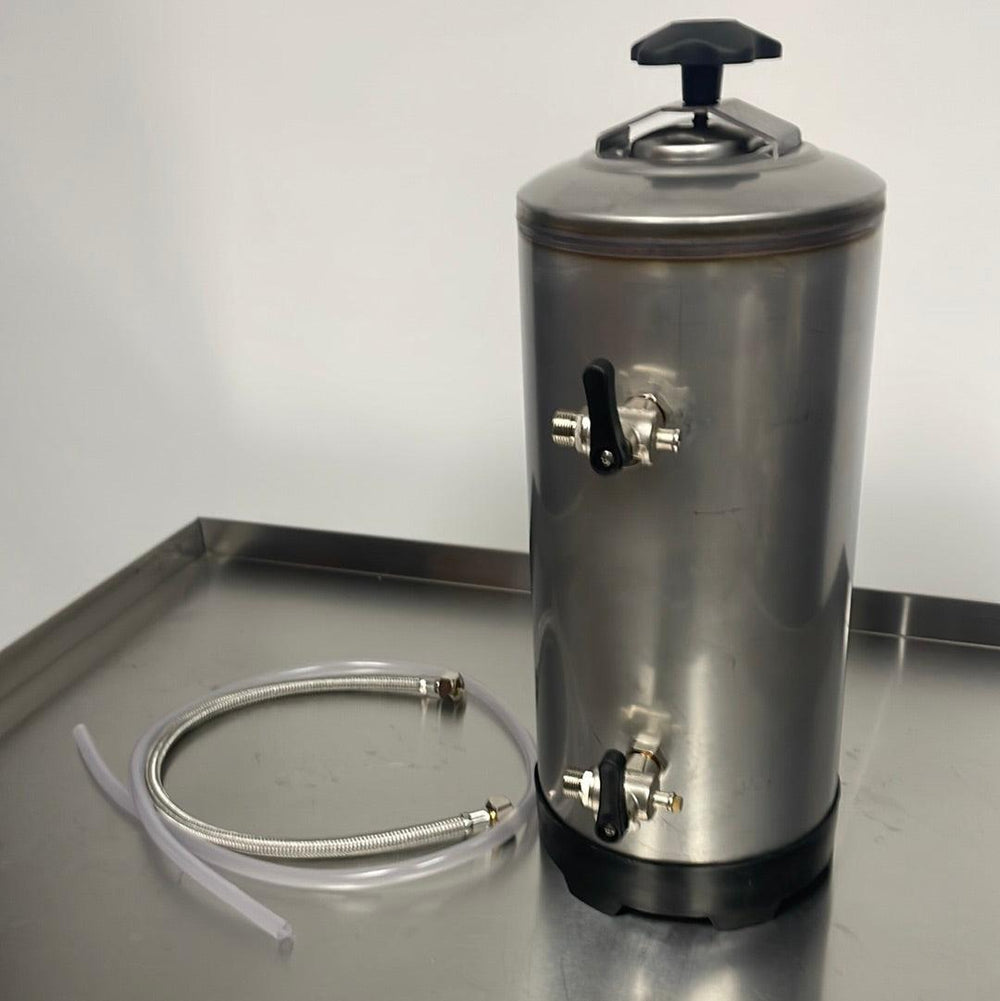
At AMPTO, we offer water softening solutions specifically designed for commercial espresso equipment, including Bezzera applications.
SOFTENER RECOMMENDED FOR 1 OR 2 GROUPS ESPRESSO MACHINES
SOFTENER RECOMMENDED FOR 3 GROUPS ESPRESSO MACHINES

How to Evaluate the Real Cost
Think of it strategically:
| Factor | Without Softener | With AMPTO Softener |
|---|---|---|
| Initial investment | Lower | Slightly higher |
| Risk of damage | High | Low |
| Maintenance cost | High | Controlled |
| Machine uptime | Unstable | Consistent |
| Total cost (1–2 years) | High | Optimized |
👉 Conclusion: A softener doesn’t increase your cost—it reduces it over time.
Warning Signs Your Water Is Already Affecting Your Machine
If your equipment is already in use, watch for:
- Reduced or inconsistent water flow
- Differences between brewing groups
- Poor steam recovery
- Irregular extraction times
- Unexplained thermal or pressure issues
👉 These are early indicators of internal scale or water-related damage.
AMPTO Recommendation
Before installing your Bezzera machine:
- Evaluate your water quality
- Select the appropriate softening system
- Include maintenance as part of your operational plan
Our team can help you define the ideal setup based on your application and location.
Protect Your Investment from the Start
A Bezzera espresso machine is built for performance, consistency, and durability.
But its real-world performance depends on something invisible: water quality.
👉 Don’t make this decision after a failure.
👉 Make it before you connect your machine.
How to Test Your Water Hardness
Before installing or operating your Bezzera espresso machine, it is important to know the hardness of your water. Water that is too hard can lead to limescale buildup inside the boiler, pipes, and components, reducing performance and potentially shortening the life of your equipment.

Fortunately, testing water hardness is simple. There are many reliable water hardness test kits available on the market. The most common option is a test strip made from specially treated paper. To use it, simply dip the strip into a sample of water for a few seconds and compare the resulting color change with the reference chart provided by the manufacturer. The reaction indicates the hardness level of your water and helps you determine whether water treatment or filtration is necessary.
Water hardness test strips are affordable, easy to use, and can be purchased from many online retailers, specialty coffee suppliers, home improvement stores, and water treatment providers.