Introduction
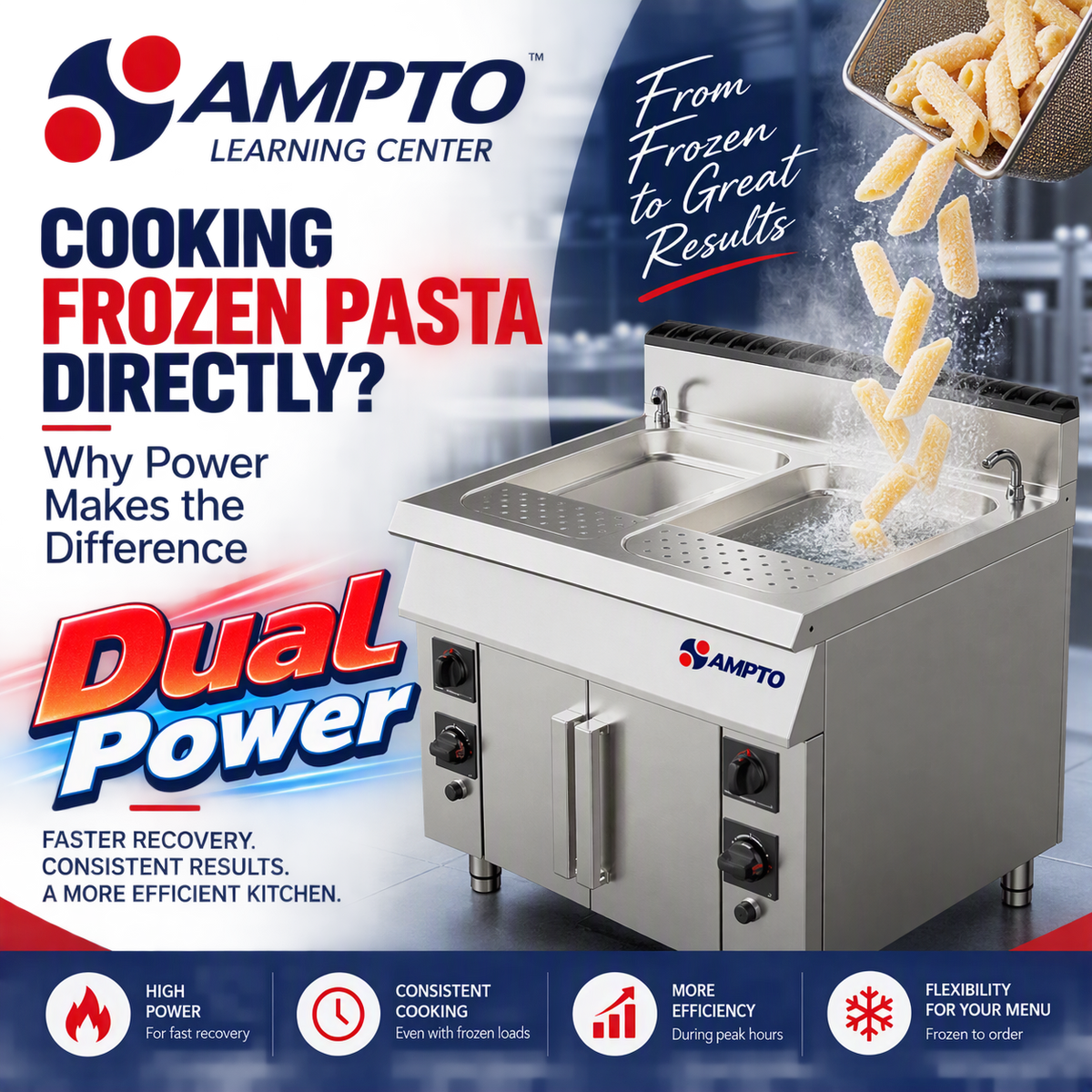
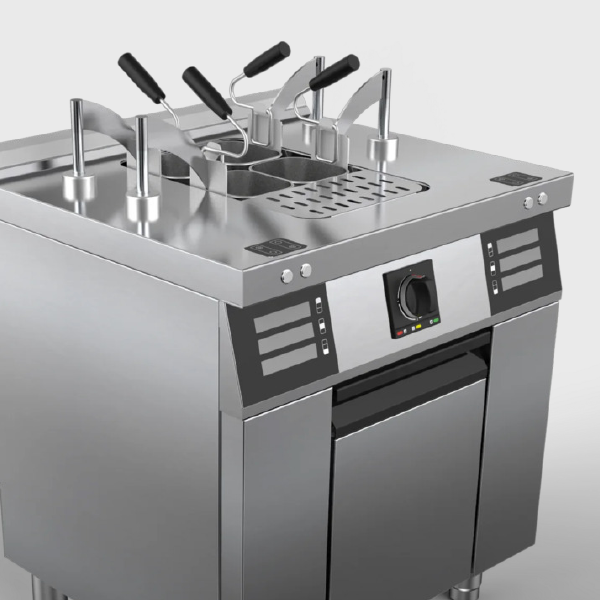
In a professional kitchen, speed, consistency, and reliability are essential. One of the most valuable pieces of equipment is the pasta cooker, designed to deliver fast and consistent results during high-demand service. However, many kitchens overlook a critical maintenance task: regular descaling of the pasta cooker bowl.
Failing to remove limescale buildup can severely impact performance, increase operational costs, and even lead to equipment failure. In this guide, we’ll explain why descaling is essential, its pros and cons, and how neglecting it can cost your restaurant time, money, and efficiency.
What Is Descaling in a Pasta Cooker?
Descaling is the process of removing mineral deposits—commonly known as limescale—that accumulate due to hard water. Over time, these deposits form on the interior surfaces and heating elements of the pasta cooker bowl.
Limescale acts as an insulating layer, preventing efficient heat transfer. As a result, the equipment must work harder to reach and maintain optimal temperatures.
Why Limescale Is a Serious Problem in Commercial Kitchens
Ignoring limescale buildup in a pasta cooker can create several operational issues:
1. Reduced Cooking Efficiency
Limescale slows down heat transfer, meaning longer boiling times and delayed service.
2. Higher Energy Costs
The cooker consumes more energy to compensate for reduced efficiency, increasing utility expenses.
3. Inconsistent Food Quality
Temperature instability can affect cooking precision, leading to uneven pasta results.
4. Equipment Damage and Wear
Overheating and strain on components can shorten the lifespan of the equipment.
5. Unexpected Breakdowns
Without proper maintenance, limescale buildup can cause failures during peak service hours.
The Real Cost of Not Descaling Your Pasta Cooker
For restaurant operators, the biggest risk isn’t just scale—it’s downtime.
Imagine this scenario:
- Your pasta cooker fails during a busy dinner service
- Orders are delayed or canceled
- Kitchen workflow is disrupted
- Staff productivity drops
- Customer satisfaction suffers
This translates directly into:
- Lost revenue
- Damaged reputation
- Increased repair or replacement costs
A pasta cooker is a high-investment, high-impact piece of equipment. Neglecting descaling can lead to premature equipment failure and significant financial loss.
Pros of Regular Pasta Cooker Descaling
Implementing a routine descaling schedule offers substantial benefits:
- ✅ Improved performance – Faster heating and consistent cooking temperatures
- ✅ Lower energy consumption – More efficient operation means reduced costs
- ✅ Extended equipment lifespan – Prevents corrosion and mechanical stress
- ✅ Reduced maintenance costs – Fewer breakdowns and repairs
- ✅ Improved hygiene standards – Removes buildup and residues
- ✅ Minimized downtime – Keeps your kitchen running smoothly
Cons and Challenges of Descaling
While essential, descaling requires proper planning and execution:
- ⚠️ Temporary downtime – Equipment must be taken out of operation during cleaning
- ⚠️ Handling precautions – Acid-based products require protective measures
- ⚠️ Staff training required – Proper dilution and usage are critical
- ⚠️ Risk of misuse – Incorrect application can damage surfaces
Despite these factors, the benefits far outweigh the risks, especially in high-volume kitchens.
How to Choose the Right Descaling Product
Not all descalers are created equal. For safe and effective results in a commercial kitchen, look for a product with the following characteristics:
Key Properties to Look For:
- High limescale removal power for fast and effective cleaning
- Fast-acting formula to minimize equipment downtime
- Compatible with stainless steel and aluminum surfaces
- Free from hydrochloric acid, reducing aggressive corrosion risks
- Multi-action capability (removes grease, scale, and residues)
- Low odor or unscented, suitable for food environments
- Clear dilution instructions for safe and controlled use
Professional-grade descalers are typically acid-based formulations designed to quickly dissolve limescale and restore metal surfaces, helping maintain peak performance in demanding kitchen environments.
Best Practices for Descaling a Pasta Cooker Bowl
To maximize effectiveness and safety:
- Schedule regular descaling based on water hardness and usage frequency
- Follow recommended dilution guidelines carefully
- Use personal protective equipment (gloves and eye protection)
- Rinse thoroughly after cleaning
- Avoid using descalers on incompatible surfaces like natural stone
- Train staff on proper cleaning procedures
Final Thoughts: Protect Your Kitchen’s Productivity
A pasta cooker is designed to provide speed and efficiency—but without proper maintenance, it can quickly become a liability.
Regular descaling is not just maintenance—it’s a strategic investment in your kitchen’s performance. It protects your equipment, reduces downtime, and ensures consistent service when it matters most.
If you want to maintain high productivity and avoid costly disruptions, make descaling a non-negotiable part of your kitchen routine.