
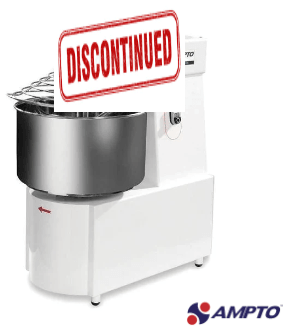
AMA030M Mezclador Espiral 30 Lbs Tapa Harina. 2 velocidades. 220/60/1

SKU: AMA030M

Precio:
Precio de venta$5,334.00

Resources and Downloads

| | |

| | | |

Descripción

Mezclador de masa en espiral, capacidad de masa de 50 lb, capacidad de harina de 30 lb, tazón fijo de acero inoxidable de 34 cuartos de galón y 2 velocidades, sistema de transmisión de cadena y motor de engranajes, parada de emergencia e interruptor de protección del tazón, (4) ruedas, 2.2 HP, Hecho en Italia

Velocidades del tazón: 10 RPM y 20 RPM

(Capacidad de la masa calculada con un 63% de hidratación. La capacidad máxima puede variar según los ingredientes)

Manual de usuario

Hojas de especificaciones

Diagrama de piezas


Encuentra la calculadora en el siguiente archivo

Calculadora de hidratación

Más información sobre la masa Hidratación

¿Cómo calcular la hidratación de la masa?

You may also like

Recently viewed

Learning Center

View all
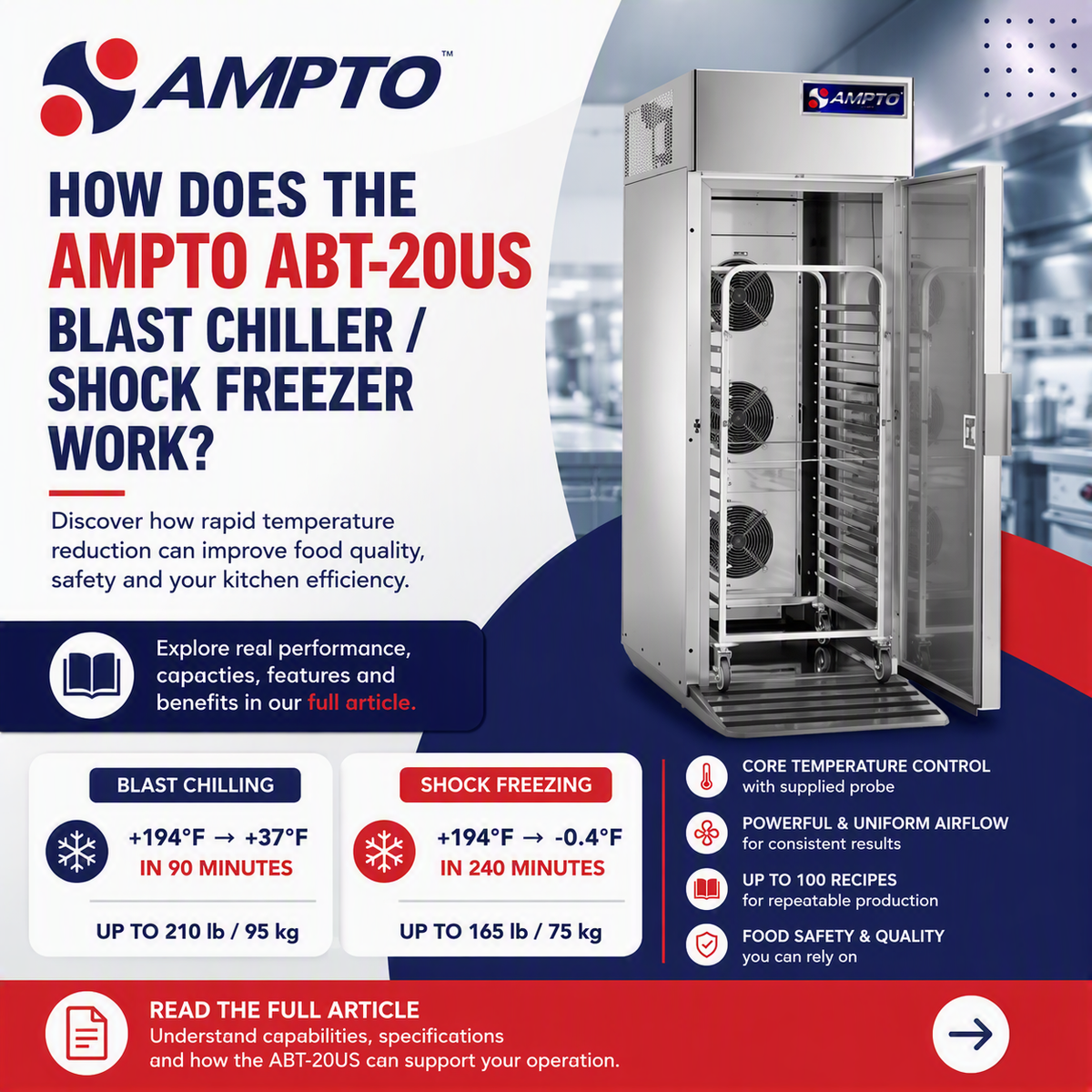
AMPTO ABT-20US: Understanding Blast Chilling, Shock Freezing and Real Production Capacity

AMPTO ABT-20US: Understanding Blast Chilling, Shock Freezing and Real Production Capacity

Blast Freezer
Rapid temperature reduction designed for professional foodservice operations In a professional kitchen, refrigeration is not simply about keeping...
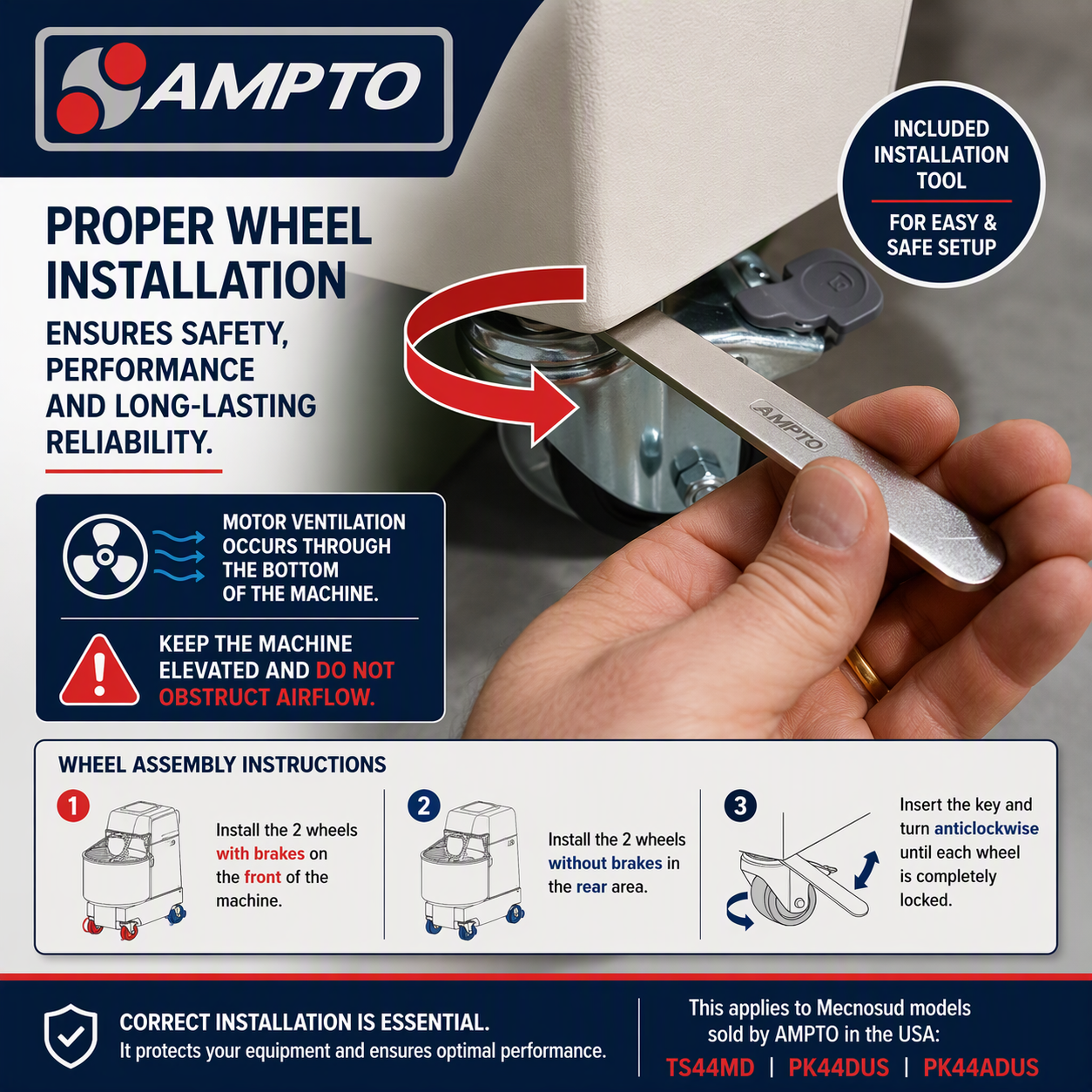
The Importance of Proper Wheel Installation on Spiral Dough Mixers

The Importance of Proper Wheel Installation on Spiral Dough Mixers

Spiral mixers
AMPTO Supports Safe and Easy Installation To simplify the installation process and ensure safe assembly, AMPTO includes a specially designed whee...
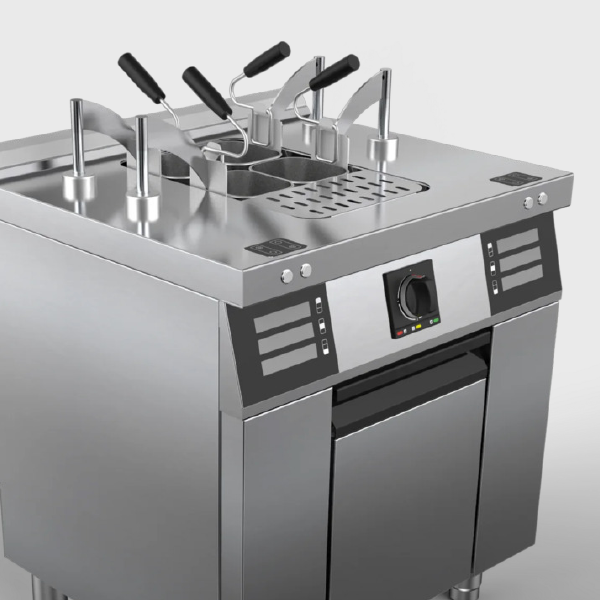
Why Descaling a Pasta Cooker Bowl Is Critical for Kitchen Efficiency and Equipment Longevity

Why Descaling a Pasta Cooker Bowl Is Critical for Kitchen Efficiency and Equipment Longevity

Pasta Cooker
Limescale buildup in a pasta cooker bowl is more than a maintenance issue—it’s a hidden threat to kitchen efficiency, equipment lifespan, and operational profitability. Regular descaling ensures optimal heat transfer, consistent cooking performance, and reduced energy consumption, while helping prevent costly downtime and unexpected failures. For restaurants that rely on speed and precision, neglecting this essential task can quickly translate into lost revenue, service disruptions, and premature equipment replacement.